Free Blizzard Hat Crochet Pattern: Easy Winter Beanie
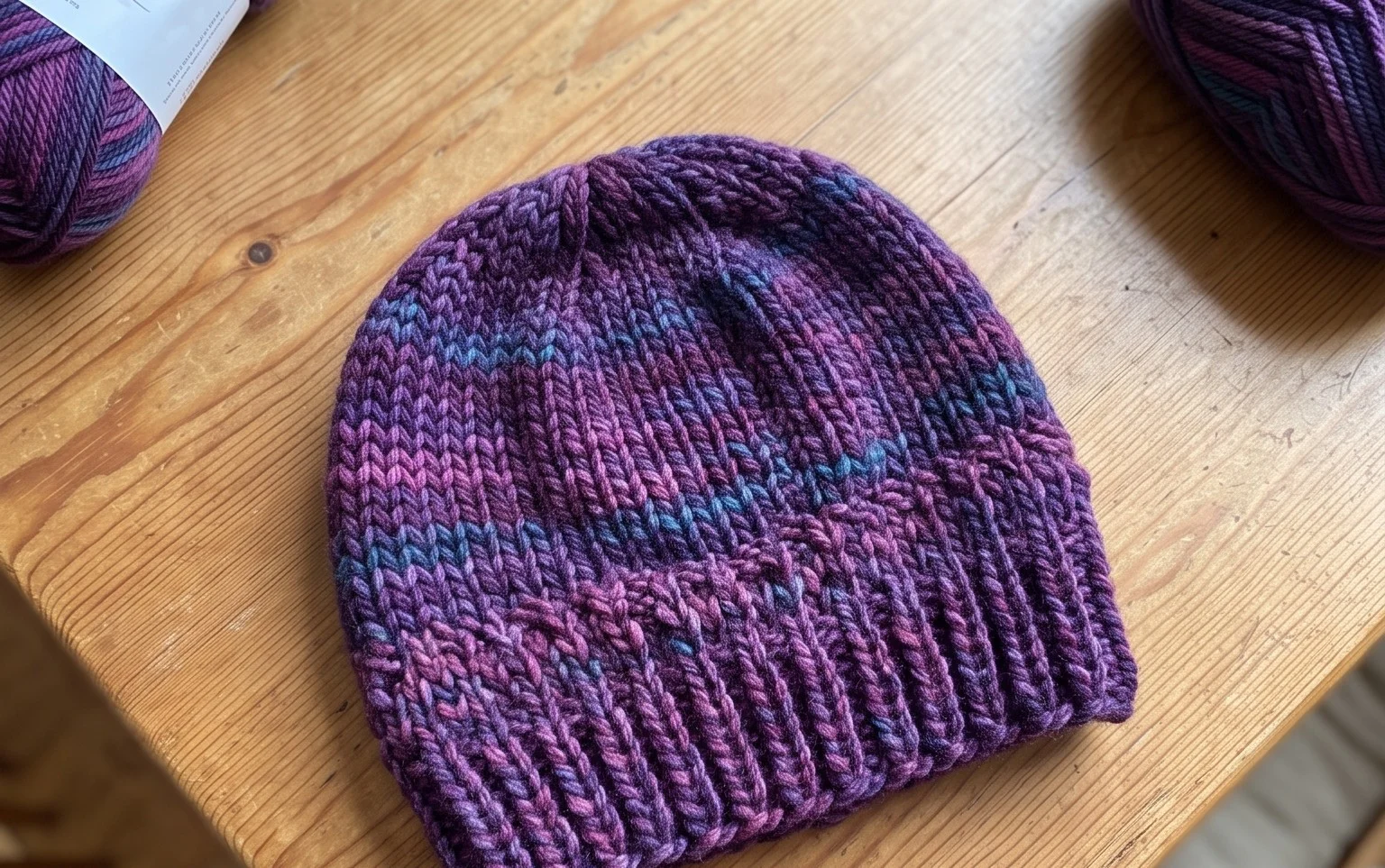
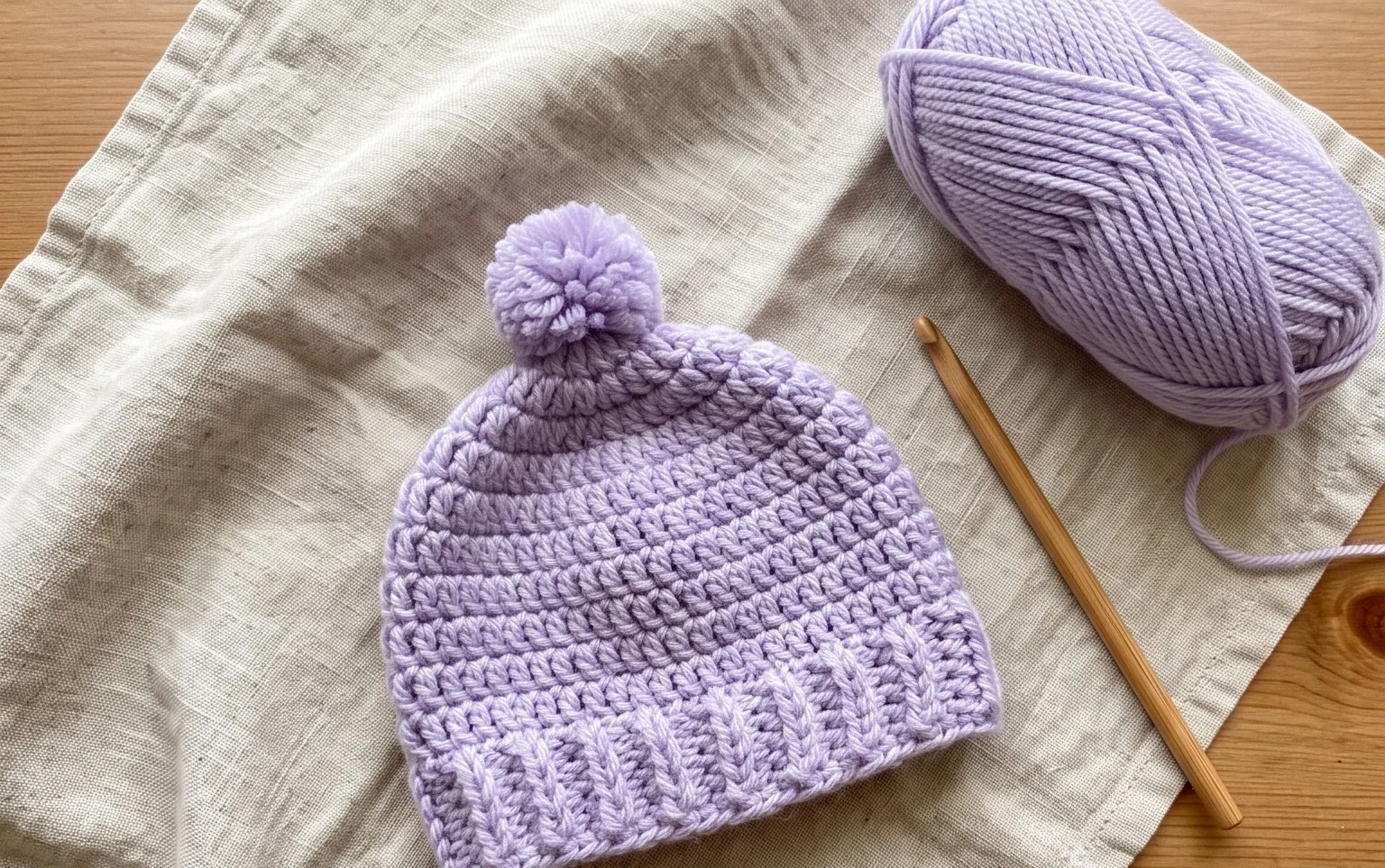
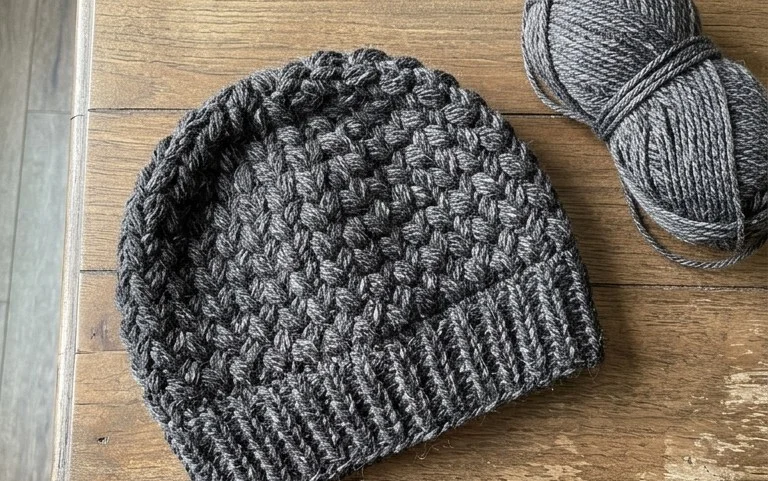
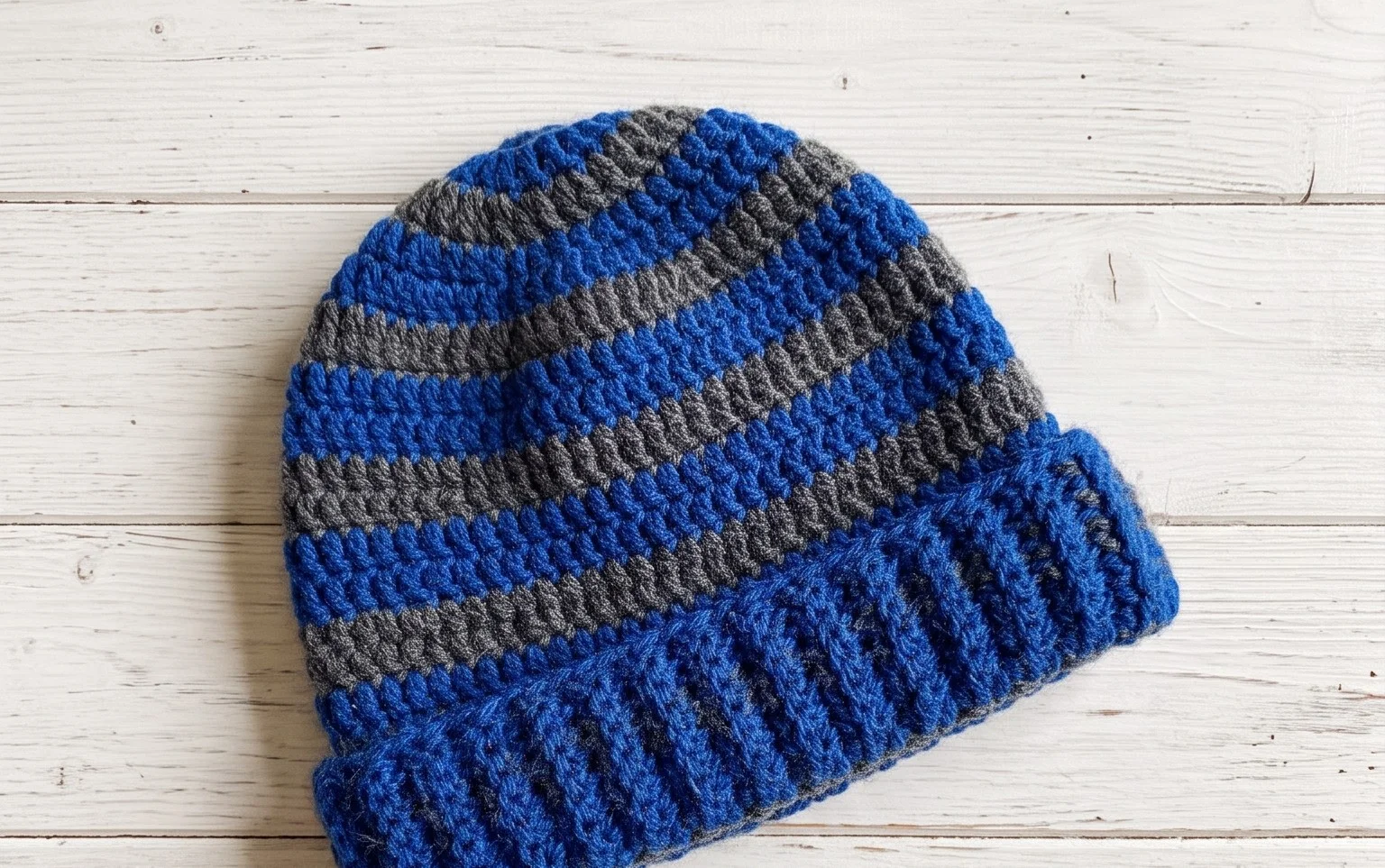
Dense stitches create a wind-resistant fabric for this cozy winter hat, making it a reliable layer for freezing mornings. The thick texture mimics falling snow while keeping your ears protected during long walks or chilly commutes. Beginners will enjoy how quickly the repetitive rounds grow into a professional accessory without any complicated shaping or difficult color changes to manage. You only need to know basic chains and single crochets to build this warm barrier against the cold weather. It is a satisfying project that turns a simple ball of yarn into a finished piece you can wear immediately.
Why You’ll Love This Pattern
The Classic Crochet Dishcloth is a functional, repetitive project that relies on the durable properties of cotton yarn to handle everyday kitchen tasks. You will appreciate how quickly this pattern works up, making it an ideal choice for testing out a new yarn or building your stash of handmade gifts. Because it uses a simple stitch combination that builds texture without holes, it provides a firm, scrubby surface for cleaning dishes while remaining soft enough to handle comfortably. The uniform square shape is easy to fold and store, ensuring your workspace stays organized while you work.
I managed to finish three of these in a single afternoon while watching a movie. They hold up much better than the store-bought sponges I usually buy.
— Sarah, home crafter
Pattern Overview & Skill Level
- Skill Level: Beginner
- Approximate Time: 45 to 60 minutes
- Construction: Worked in rows back and forth from one corner, increasing to the center and then decreasing back to the opposite corner to form a perfect square.
- Finished Dimensions: 8 inches by 8 inches square.
Materials & Supplies Needed
- Yarn: Worsted weight (#4) 100% cotton yarn, approximately 60 yards per dishcloth.
- Hook Size: 5.0 mm (US H-8).
- Notions: Yarn needle for weaving in ends, scissors.
- Safe yarn substitutions: You may use a cotton-acrylic blend for a softer feel, though it will be slightly less absorbent. Avoid 100% acrylic or wool, as they do not absorb water well and may melt if exposed to hot pots or pans.
Stitch Guide & Abbreviations (US Terms)
- ch = chain
- sc = single crochet
- inc = 2 sc in the same stitch
- dec = sc2tog (single crochet 2 stitches together)
- st/sts = stitch/stitches
- sl st = slip stitch
Step-by-Step Pattern Instructions
Dishcloth Base
- Row 1: Ch 2, 2 sc in the second ch from hook. (2 sts)
- Row 2: Ch 1, turn, inc in first st, inc in second st. (4 sts)
- Row 3: Ch 1, turn, inc in first st, sc in each of the next 2 sts, inc in last st. (6 sts)
- Row 4: Ch 1, turn, inc in first st, sc in each st across to last st, inc in last st. (8 sts)
- Rows 5 to 28: Repeat Row 4. The stitch count will increase by 2 each row, ending with 56 sts on Row 28.
- Row 29: Ch 1, turn, dec over first 2 sts, sc in each st across to last 2 sts, dec over last 2 sts. (54 sts)
- Row 30: Ch 1, turn, dec over first 2 sts, sc in each st across to last 2 sts, dec over last 2 sts. (52 sts)
- Rows 31 to 54: Repeat Row 30. The stitch count will decrease by 2 each row, ending with 4 sts on Row 54.
- Row 55: Ch 1, turn, dec twice. (2 sts)
- Row 56: Ch 1, turn, dec. (1 st)
Finishing
Fasten off the yarn, leaving a 6-inch tail. Weave the tail through the center of the final stitch and pull tight to secure. Use a yarn needle to weave the remaining end into the stitches along the edge of the cloth to prevent unraveling during washing.
Care & Washing Instructions
- Machine wash in warm water on a gentle cycle to preserve the fiber integrity.
- Tumble dry on low heat or lay flat on a clean towel to air dry completely.
- Reshape the dishcloth by pulling the corners gently while it is slightly damp to maintain the square dimensions.
Pro Tips & Common Mistakes to Avoid
- Maintain consistent tension throughout the project to ensure the square edges do not curl. If your fabric feels too tight, move up to a 5.5 mm hook.
- Use a stitch marker on the first stitch of every row until you are comfortable identifying the start and end points of each row.
- When weaving in ends, follow the direction of the yarn plies to make the tail disappear into the structure of the stitch rather than sitting on top.
- To adjust the size, add more increase rows. Keep in mind that for every 2 rows added, you must add 2 decrease rows, and you will require approximately 10 extra yards of yarn for every inch of increased width.
Frequently Asked Questions
Can I use a different weight of yarn for this pattern?
Yes, but changing the yarn weight will change the final dimensions. Using a thinner yarn like DK weight will result in a smaller dishcloth, while using a bulky weight yarn will make it larger and potentially too thick for daily dishwashing.
How do I keep the edges from becoming wavy?
Wavy edges are usually a result of tension that is too loose or adding extra stitches at the ends of the rows. Ensure you are only placing one increase or decrease at the very beginning and end of each row.
Is this pattern suitable for complete beginners?
This is an excellent project for beginners because it only requires the single crochet stitch and simple shaping techniques. It is a forgiving pattern that helps you practice row counting and edge consistency.
May I sell the dishcloths I make using this guide?
Yes, you are welcome to sell finished items made from this pattern. Please credit the pattern designer when listing them online to help other makers find these instructions.
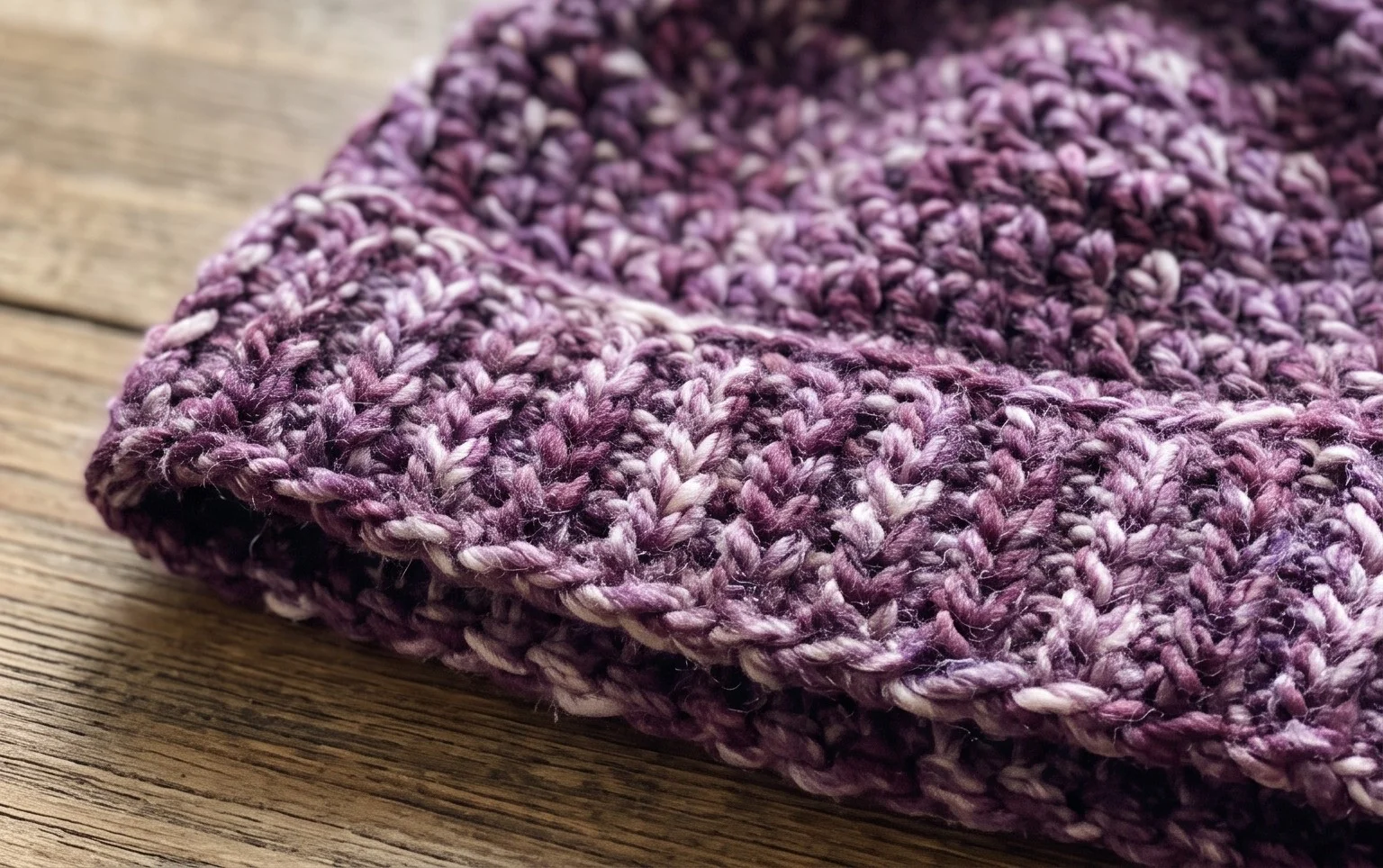
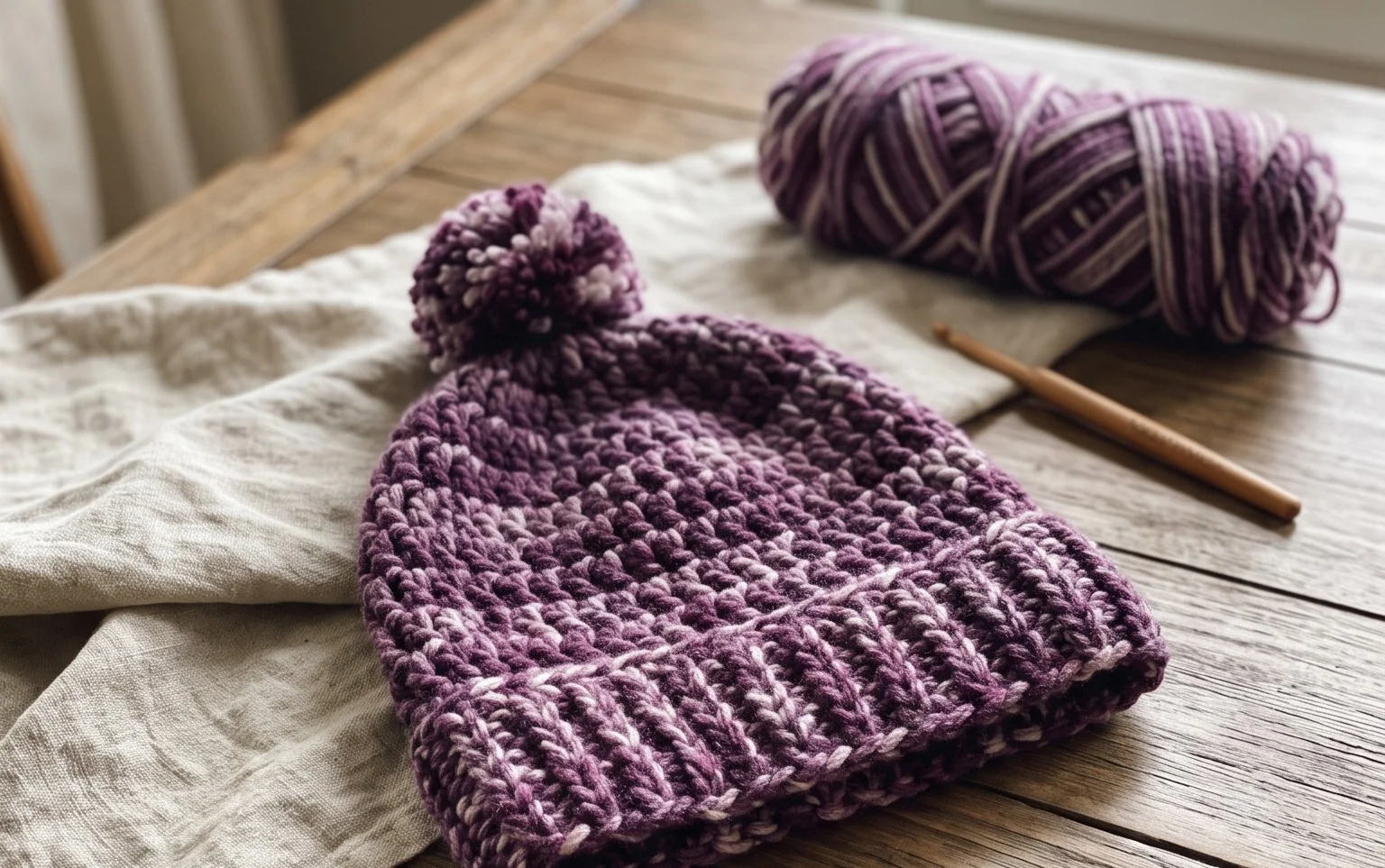
Your finished hat brings warmth and structure to your winter wardrobe with its dense, wind-shielding stitch pattern. Try using a variegated wool blend if you want to experiment with a more dynamic look for your next version. Sharing a photo of your work on your favorite social media platform helps other crafters find inspiration for their own handmade collections. You can find more free patterns and seasonal project ideas by browsing through the archives on the blog whenever you are ready for a new project.